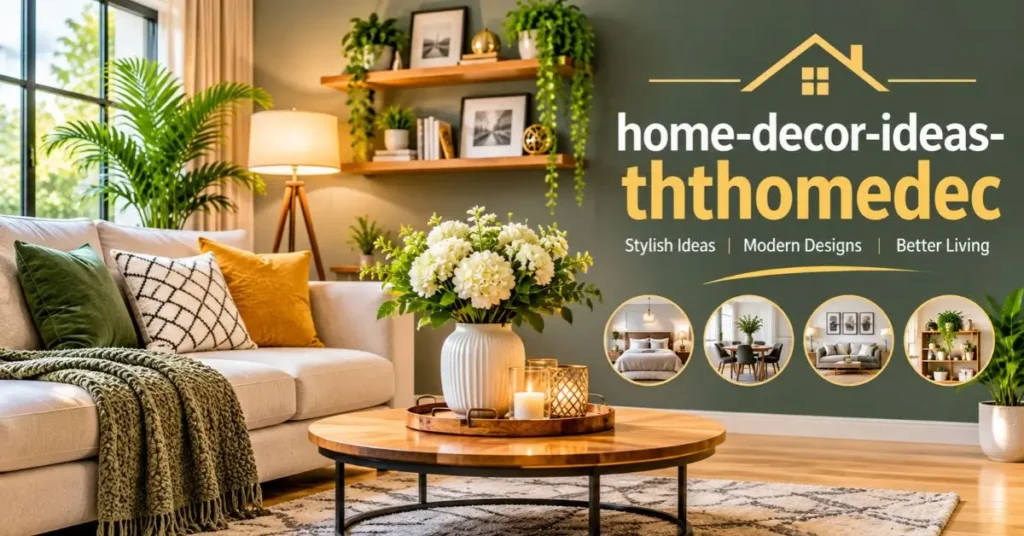

Home Decor Ideas Ththomedec: Room-by-Room Styling Guide
You walk through your front door after a long day and something feels off. The furniture is fine. The walls are clean. But the space does not feel like yours. It feels flat, unfinished, or just plain boring. You know you want to change it, but scrolling through thousands of perfectly staged photos online leaves you more overwhelmed than inspired.
Home decor ideas ththomedec curates focus on transforming everyday living spaces into warm, functional, and personally meaningful environments using practical styling techniques, smart color choices, and budget-conscious updates. These ideas prioritize real homes over magazine spreads, helping you create rooms that look intentional without requiring a complete renovation or a designer’s salary.
In this guide, you will find specific, room-by-room decor ideas you can start implementing this weekend. Every suggestion includes the reasoning behind it and a realistic sense of cost so you can plan your updates without guesswork.
Quick Summary
Great home decor does not require a huge budget or a design degree. The most impactful changes come from thoughtful color choices, intentional furniture placement, layered textures, and personal touches that reflect your life. This guide breaks down practical ideas for every major room in your home, with tips you can apply whether you are renting a small apartment or updating a family house.
Living Room: Where First Impressions Happen
Your living room sets the tone for your entire home. It is the first space guests see and the room where your family spends the most time together. Getting it right matters.
Start with your furniture arrangement. The most common mistake people make is pushing all their furniture against the walls. This creates a dead zone in the center of the room and makes conversation feel awkward. Instead, float your sofa a few inches away from the wall and angle your chairs toward it to create a natural conversation circle.
For example, a homeowner in Nashville, Tennessee transformed her narrow living room simply by pulling the sofa six inches off the wall and placing a slim console table behind it. The room immediately felt larger and more intentional, and the console table added much-needed surface space for lamps and books.
Layer your lighting. A single overhead light makes any room feel flat and clinical. Add at least two additional light sources at different heights. A floor lamp in a dark corner and a table lamp on a side table create warm pools of light that make the space feel cozy and inviting after sunset.
Add texture through textiles. If your living room feels cold or impersonal, the fastest fix is adding varied textures. Mix a chunky knit throw on the sofa with smooth linen pillows and a woven jute rug on the floor. The contrast between rough and soft surfaces adds visual depth that paint alone cannot achieve.
Create a focal point. Every living room needs one element that draws the eye when you walk in. This could be a gallery wall of family photos, a large piece of artwork, a statement mirror above the fireplace, or even a bold accent chair in a rich color. Without a focal point, the room feels scattered and unfinished.
Bedroom: Your Personal Retreat
Your bedroom should be the calmest room in your home. It is where you recharge, and the design choices you make here directly affect how well you sleep and how relaxed you feel.
Choose a calming color palette. Soft, muted tones work best in bedrooms. Think warm whites, gentle grays, dusty blues, and sage greens. Avoid bright, saturated colors on large surfaces because they stimulate the brain when you need it to wind down. If you love bold colors, use them in small doses through pillows or a single piece of art.
Invest in your bedding layers. The bed is the centerpiece of the room, so make it count. Start with crisp white or neutral sheets, add a lightweight duvet, and finish with a textured throw folded at the foot of the bed. This layered look takes about two minutes to create each morning and makes the entire room feel more polished.
Declutter your nightstands. A crowded nightstand creates visual stress right before bed. Keep only the essentials: a lamp, a book, and a glass of water. Store everything else in a drawer. This small change makes a surprising difference in how peaceful the room feels.
Add soft window treatments. Bare windows make a bedroom feel exposed and unfinished. Simple linen curtains hung from a rod mounted a few inches above the window frame add softness and height to the room. Choose a fabric that filters natural light rather than blocking it completely for a warm, diffused glow during the day.
Kitchen: Function Meets Personality
Kitchens are tricky because they need to be highly functional while still feeling warm and welcoming. The best kitchen decor ideas improve both form and function simultaneously.
Open up your shelving. If your kitchen feels dark and closed off, consider removing the doors from one or two upper cabinets and painting the interior a contrasting color. Display your nicest dishes, a few cookbooks, and a small plant. This creates visual interest and makes the kitchen feel more open without the cost of a full remodel.
Update your hardware. Swapping out cabinet knobs and drawer pulls is one of the cheapest and most impactful kitchen updates you can make. Replacing basic builder-grade hardware with brushed brass or matte black pulls can make standard cabinets look custom. A full set of new hardware typically costs under $100 and takes about an hour to install.
Add warmth with natural materials. Modern kitchens can feel cold and sterile. Counteract this by introducing wooden cutting boards, woven fruit baskets, ceramic canisters, and fresh herbs in simple clay pots. These organic elements soften hard surfaces and make the kitchen feel lived-in rather than showroom-perfect.
Use your backsplash as a design statement. If your budget allows, a new backsplash can completely transform a kitchen. Peel-and-stick tile options have improved dramatically in recent years and offer a renter-friendly alternative to traditional tile installation. A simple white subway tile or a subtle zellige-style option adds texture and character without overwhelming the space.
Bathroom: Small Space, Big Impact
Bathrooms are usually the smallest rooms in the house, which means every design choice carries extra weight. The good news is that small updates create dramatic results in tight spaces.
Upgrade your mirror. Most bathrooms come with a basic frameless mirror glued to the wall. Replacing it with a framed mirror, even an inexpensive one from a big-box store, instantly elevates the room. Round mirrors soften angular spaces, while rectangular mirrors with thin metal frames add a modern touch.
Introduce greenery. Bathrooms are ideal environments for humidity-loving plants like pothos, ferns, and snake plants. A small plant on the vanity or a hanging planter near the window brings life to an otherwise sterile space. If your bathroom has no natural light, a high-quality faux plant works just as well visually.
Coordinate your accessories. Matching your soap dispenser, toothbrush holder, and hand towel to a single color or material creates a cohesive, hotel-like feel. This costs very little but makes the bathroom look significantly more put-together.
Entryway: The Forgotten Space
Most people neglect their entryway because it is small and transitional. But it is the first space you see when you come home and the last thing you see when you leave. It deserves attention.
Add a console table or slim shelf. Even a narrow entryway can fit a slim console table. Use it to drop your keys, display a small vase of flowers, and store mail in a decorative basket underneath. This creates a functional landing zone that prevents clutter from spreading into the rest of the house.
Hang a mirror at eye level. A mirror in the entryway serves a practical purpose for last-minute outfit checks and visually doubles the space, making even the tiniest foyer feel more open.
Define the space with a rug. A durable, easy-to-clean rug in your entryway anchors the space and signals the transition from outside to inside. Choose a flat-weave or indoor-outdoor material that can handle muddy shoes and heavy foot traffic.
Budget-Friendly Decor Ideas That Work Anywhere
Not every home update requires a big investment. Here are some of the most effective low-cost changes you can apply to any room in your home, drawing from the kind of practical home decor ideas ththomedec regularly highlights.
Rearrange what you already own. Before buying anything new, try moving your existing furniture and accessories to different rooms. A lamp that looked tired in the living room might feel fresh in the bedroom. A bookshelf that was crammed in the office might breathe in the hallway.
Paint one accent wall. A single gallon of paint costs around $35 to $50 and can completely change the character of a room. Choose a wall that naturally draws the eye, such as the wall behind your bed or the wall opposite the front door.
Swap out your throw pillows. New pillow covers are one of the fastest and cheapest ways to refresh a room. You can find quality covers for $10 to $20 each, and changing them seasonally keeps your space feeling current without a major commitment.
Display personal items intentionally. Family photos, travel souvenirs, and handmade objects make a house feel like a home. The key is to group them thoughtfully rather than scattering them randomly. A curated shelf of meaningful objects tells a story and adds warmth that no store-bought decor can replicate.
Comparing Popular Decor Approaches
Different decorating styles suit different lifestyles and budgets. Here is a quick comparison to help you identify which approach fits your home best.
| Decor Approach | Key Characteristics | Best For | Typical Cost Level |
|---|---|---|---|
| Minimalist | Clean lines, neutral tones, fewer objects | Small spaces and busy households | Low to moderate |
| Cozy Traditional | Warm colors, layered textiles, classic furniture | Family homes and colder climates | Moderate |
| Modern Eclectic | Mixed eras, bold colors, curated collections | Creative personalities and larger spaces | Moderate to high |
| Scandinavian | Light wood, white walls, functional simplicity | Apartments and natural light lovers | Low to moderate |
| Bohemian | Global patterns, plants, layered rugs | Renters and free-spirited decorators | Low |
The best homes often blend elements from two or three of these approaches rather than following a single style rigidly. Your home should reflect your life, not a catalog page.
Conclusion
Creating a home you love does not require a massive budget, a design degree, or a team of contractors. The most beautiful homes are built gradually, one thoughtful choice at a time. A new lamp here, a fresh coat of paint there, a rearranged bookshelf that finally feels right.
The home decor ideas ththomedec community celebrates are the kind that work in real life, for real people, in real homes with real budgets. They prioritize comfort, personality, and function over trends that will look dated in two years.
Start with the room that bothers you the most. Pick one or two ideas from this guide. Try them this weekend. You will be surprised how much a few small changes can shift the way your entire home feels.
If you enjoyed these ideas, explore more room-by-room styling guides and seasonal decor inspiration to keep building a home that truly feels like yours.
Frequently Asked Questions
Where can I find more home decor ideas from ththomedec?
Visit the ththomedec platform for practical home decor ideas, room makeovers, budget-friendly styling tips, and seasonal decorating inspiration.
What is the cheapest way to update a room?
Rearrange existing furniture, declutter surfaces, and add affordable accessories like cushion covers, mirrors, or lamps to refresh a room on a budget.
How do I choose a color scheme for my home?
Choose one favorite color and combine it with three to five complementary shades. Use neutral tones for larger surfaces and bold colors for decorative accents.
Can I decorate a rental apartment without losing my deposit?
Yes, use removable wallpaper, adhesive hooks, peel-and-stick tiles, and freestanding furniture to decorate without permanently changing the property.
How often should I update my home decor?
Refresh small decor items every few months to keep your home looking fresh. Replace larger items only when your style or lifestyle needs change.
What makes a home look expensive on a small budget?
A clean, clutter-free space, coordinated colors, and well-arranged furniture can make a home look more expensive without costly renovations.