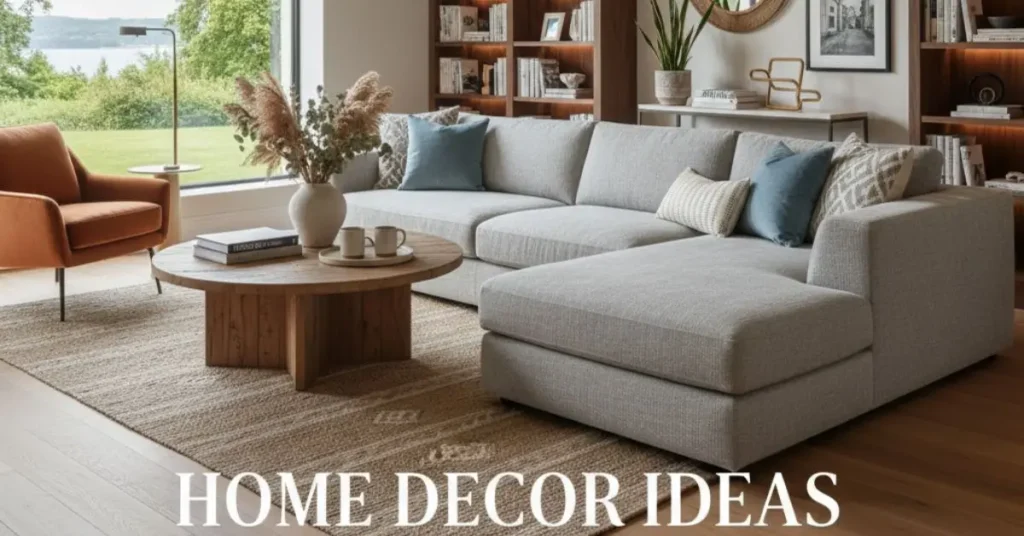

You’ve lived in your home for a while now. You like it — but something feels off. Maybe the living room feels bland. Maybe your bedroom doesn’t feel like a place you actually want to rest. Maybe you’ve scrolled through Instagram and thought, why does their home feel so put-together and mine doesn’t?
The good news? It’s rarely about money. It’s almost always about knowing what to change, where to start, and how to make the pieces work together.
Home decor is the process of styling, arranging, and upgrading the interior of your home using furniture, color, lighting, textiles, and accessories — with the goal of making spaces look better and feel more comfortable to live in.
This guide covers the most effective home decor ideas you can actually use — organized by room, budget, and style so you leave with a clear plan, not just a Pinterest board.
Quick Summary
You don’t need a full renovation to change how your home feels. Smart use of color, lighting, furniture placement, and a few well-chosen accessories can completely transform any room. This guide gives you the ideas and the reasoning behind them.
Start With What’s Already There
Before you buy anything, take a hard look at what you already have.
Most homes don’t need more stuff — they need better arrangement. A sofa pushed against the wall, a rug that’s too small, or a lamp placed in the wrong corner can make a room feel awkward without you even realizing why.
Try this first: Pull your sofa away from the wall by about 12–18 inches. It sounds counterintuitive, but it actually makes the room feel larger and more intentional. Interior designers do this constantly.
Move your rug so it sits under the front legs of your furniture, not just floating in the middle of the floor. These two changes cost nothing and make an immediate difference.
Living Room Decor Ideas
The living room is where most people start — and for good reason. It’s the space guests see first and where your family spends the most time.
Use a Neutral Base, Then Add Color Through Accessories
Pick a neutral wall color — warm white, soft greige, or light taupe — and build from there. This gives you flexibility. You can swap out throw pillows, blankets, and artwork without repainting every time you want a fresh look.
For example, a living room in Portland, Oregon painted in Benjamin Moore’s “Pale Oak” can shift from a cozy winter feel (deep burgundy and forest green pillows) to a fresh summer look (lemon yellow and ivory) with just a few swaps.
Layer Your Lighting
Most living rooms rely on one overhead light. That’s the fastest way to make a space feel flat and uninviting.
Add a floor lamp in one corner and a table lamp on a side table. Use warm-toned bulbs (2700K–3000K). The layered effect creates depth and makes the room feel intentional — like a space that was actually designed.
Add One Statement Piece
This could be a large piece of art, an oversized mirror, a bold armchair in a contrasting fabric, or a unique coffee table. The key word is one. One strong focal point gives the eye somewhere to land. Multiple statement pieces compete with each other and create visual noise.
Bedroom Decor Ideas
Your bedroom should feel like a retreat. Calm, comfortable, and genuinely restful.
Invest in Your Bedding First
If you’re going to spend money anywhere in the bedroom, spend it here. High-quality bedding in a neutral or soft tone immediately elevates the entire room. You don’t need to match everything perfectly — layering a duvet with a lighter blanket and two or three pillows creates a relaxed, hotel-like look that works in almost any style.
Create a Sense of Symmetry
Two bedside tables, two lamps, two small pieces of decor on each side. Symmetry is one of the easiest ways to make a bedroom feel polished without doing much work. It signals order and calm — exactly what a bedroom should feel like.
Keep Decor Minimal
This is the one room where less is genuinely more. Avoid decorating every surface. Leave breathing room on your nightstands, dresser, and windowsill. One plant, one framed photo, or one small candle is enough.
Kitchen and Dining Area Ideas
Kitchens are often the hardest rooms to decorate because so much is fixed — cabinets, counters, appliances. But there’s more flexibility than most people realize.
Update Your Hardware
Swapping out cabinet handles and drawer pulls is one of the most cost-effective interior decorating upgrades you can make. Brushed brass, matte black, and unlacquered brass are all trending right now — and they work across a wide range of cabinet colors.
A set of new hardware for an average kitchen typically costs between $50 and $150 and takes an afternoon to install.
Style Open Shelves With Purpose
If you have open shelving, resist the urge to put everything on it. Display only what’s genuinely attractive — a few nice bowls, a small plant, a cookbook, a wooden board. Everything else goes in a cabinet.
Use a Runner Rug in the Kitchen
This is an underused idea that makes a big difference. A simple runner rug in front of the sink or stove adds warmth, color, and texture to what is usually a cold, hard-surfaced room.
Home Office Decor Ideas
With more people working from home than ever before, the home office has gone from an afterthought to one of the most important rooms in the house.
Get the Desk Placement Right
Position your desk so you’re facing the door or facing a window — not with your back to either. Facing a window gives you natural light, which reduces eye strain and genuinely improves focus. If your desk is against a wall, add a small mirror or framed artwork at eye level so you’re not staring at a blank surface all day.
Add a Plant (or Two)
Plants improve air quality, reduce stress, and make a workspace feel less institutional. A pothos, a snake plant, or a ZZ plant all thrive in indoor office conditions with minimal care. These aren’t just decorative — there’s real research supporting their positive effect on focus and mood.
Control Visual Clutter
Cables, stacks of paper, random desk accessories — these all create low-level mental stress. Use a cable organizer, a desk tray, and a simple storage solution. A clear desk doesn’t just look better; it actually helps you think more clearly.
Bathroom Decor Ideas
Bathrooms are small, but they can feel genuinely luxurious with the right touches.
Upgrade Your Towels and Display Them
Rolled or neatly folded towels in a basket or on a ladder shelf add warmth and texture instantly. Choose a consistent color family — all white, all navy, or a neutral-and-white combination — and stick with it.
Add Greenery
Eucalyptus hanging from the showerhead, a small pothos on a shelf, or a succulent on the windowsill — plants in bathrooms are low-maintenance and make the space feel spa-like.
Use a Small Tray to Organize Countertop Items
A simple marble or wooden tray holding your hand soap, a small candle, and one or two items creates a curated look from everyday objects. This one change makes a bathroom counter look intentional instead of cluttered.
Helpful Budget Guide
| Project | Estimated Cost (USD) | Impact Level |
|---|---|---|
| New throw pillows and blanket | $30–$80 | High |
| Cabinet hardware swap | $50–$150 | High |
| Floor or table lamp | $40–$120 | High |
| New bedding set | $80–$200 | Very High |
| Statement wall art | $30–$150 | Medium–High |
| Indoor plants (3–4 pots) | $25–$60 | Medium |
| Countertop tray or organizer | $15–$40 | Medium |
Color, Texture, and Scale – The Three Rules
Every great room uses these three elements well.
Color sets the mood. Warm tones (cream, terracotta, caramel) feel cozy and welcoming. Cool tones (soft blue, sage, slate gray) feel calm and modern. You don’t need to pick one — mixing them in the right balance is what makes a room feel layered.
Texture adds depth. A room that’s all smooth surfaces — glass, painted walls, leather — feels cold. Add woven baskets, a chunky knit throw, a linen curtain, or a jute rug. These tactile elements make a space feel lived-in and comfortable.
Scale is about proportion. A tiny rug in a large room looks wrong. A small sofa in a large living room looks lost. Always choose furniture and decor that matches the scale of the room, not just your personal preference.
Conclusion
Improving your home doesn’t have to be overwhelming or expensive. The ideas in this guide work because they’re based on design principles that have been tested in real homes not just styled for a photoshoot.
Start with one room. Make two or three changes. See how it feels. Then move on.
A well-decorated home isn’t built in a weekend. It’s built one good decision at a time.
Frequently Asked Questions
What are the best home decor ideas for a small budget?
Rearrange your furniture, add a lamp, swap throw pillows, and bring in a plant or two. These changes cost under $100 and make an immediate difference. For the biggest impact, start with lighting one well-placed lamp can transform a dark, flat room instantly.
How do I make my home look more stylish without a designer?
Pick one design style and stick to it. Consistency is what makes a home look intentional. Find reference images you love, pull three to five colors from them, and use that as your guide for every purchase going forward.
What home decor trends are popular right now?
Warm neutrals, natural materials like wood and rattan, earthy greens, and curved furniture are all big right now in the US and UK. That said, trends fade — use them in small accessories, not big furniture investments.
What’s the most important room to decorate first?
Start with the room you use most — usually the living room or bedroom. Improving a space you spend hours in every day has a real impact on your mood. Save the entryway for later.
How do I choose a color scheme?
Use the 60-30-10 rule. 60% neutral base, 30% secondary color, 10% accent. It works across every style and keeps your space feeling balanced, not chaotic.